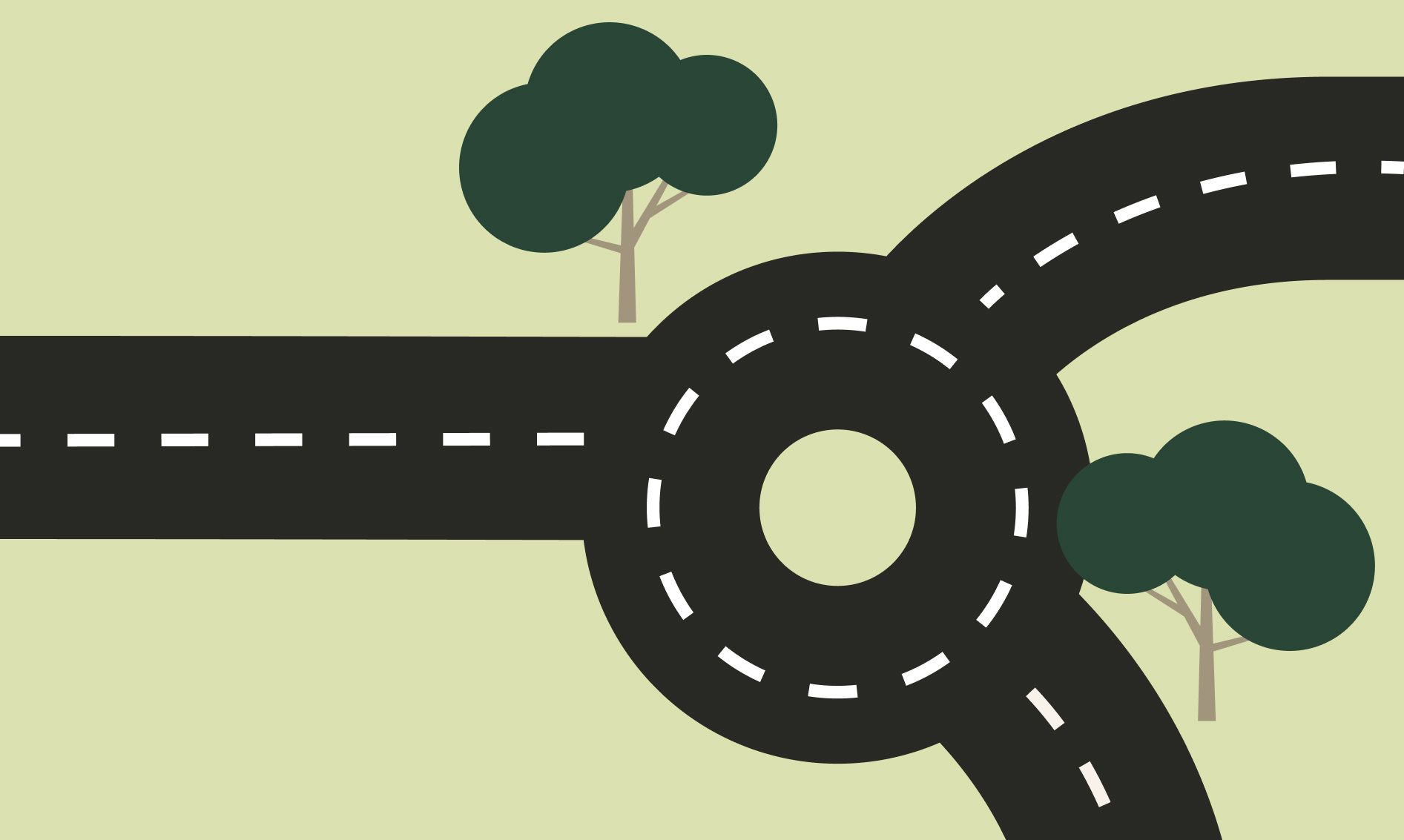
There are approximately 140 official road signs in the UK, though you'll encounter variations and combinations that bring the total number higher. These signs fall into three main categories:
- Warnings (triangles)
- Instructions (circles)
- Information (rectangles)
Understanding what UK road signs mean is essential for staying safe on the road and passing your theory test.
This guide breaks down the most important UK road signs you'll see as a newcomer, explains how they differ from signs in other countries, and shares resources to help you prepare for driving in the UK.
How Many Road Signs Are There in the UK?
The UK has around 140 standard road signs, but the actual number you might encounter is higher when you include:
- Regional variations (like bilingual signs in Wales)
- Temporary road signs for roadworks
- Local authority signs
- Combinations of multiple signs on one post
You won't need to memorise every single sign. Most UK drivers recognise about 50-60 common signs they see regularly. The rest become familiar as you gain more driving experience.
The signs break down into three main categories:
- Warning signs (around 50 different types)
- Regulatory signs that give instructions (around 60 types)
- Informational signs for directions and guidance (around 30 main types)
Understanding UK Road Signs: The Three Main Categories
Triangle Signs Mean Warning
Triangle signs alert you to potential dangers ahead. They're white or yellow with a red border, designed to grab your attention before you reach a hazard.
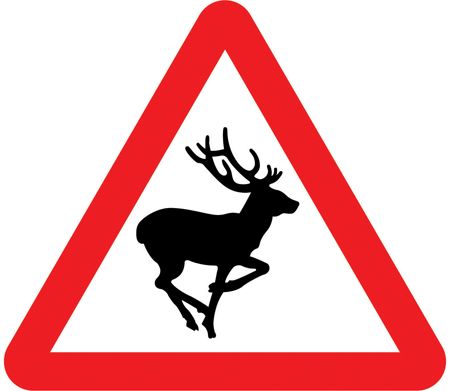
These signs warn you about:
- Changes in road conditions (slippery surfaces, steep hills)
- Junctions and roundabouts ahead
- Wildlife crossings (deer, sheep, horses)
- Pedestrian crossings
- Road works
- Sharp bends or uneven surfaces
When you see a triangle sign, slow down and prepare for what's ahead. Following UK driving etiquette means anticipating hazards and adjusting your speed appropriately.
Circle Signs Mean Instruction
Anything inside a circle is telling you what you must do, or what you're not allowed to do. The instructions in these signs must be followed. And ignoring them can result in fines, points on your licence, or more serious penalties.
Red circles tell you what not to do:
- No entry
- No turning down a particular road
- No overtaking
- Speed limit restrictions
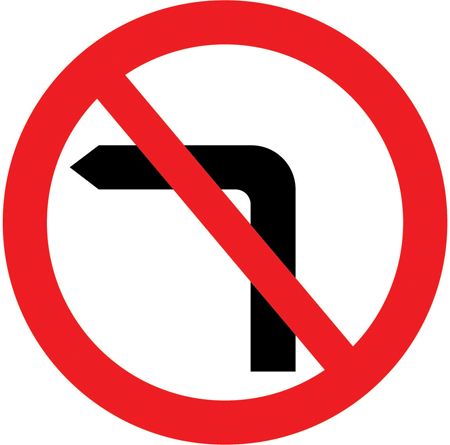
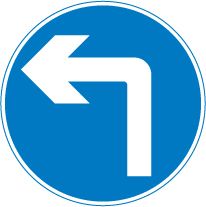
Blue circles tell you what you must do:
- Follow a specific direction
- Turn left or right
- Keep to a minimum speed
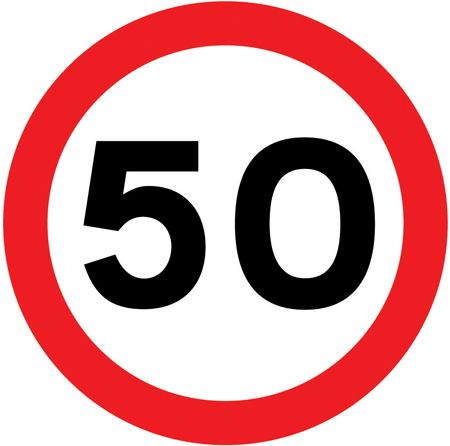
Speed limit signs are the most common circular signs you'll see. In the UK, speeds are shown in miles per hour (mph), not kilometres. A sign showing "30" means 30 mph, which equals roughly 48 km/h.
Rectangle Signs Mean Information
Rectangle signs provide helpful information rather than warnings or rules. You'll rely on these for navigation and planning your journey.
Blue rectangles relate to Motorways:
- Motorway directions
- Lane information
- Distance to destinations
- Service station locations
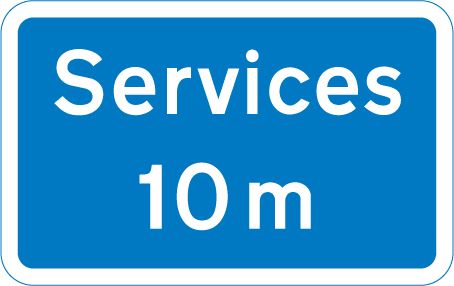
Green rectangles are for A-roads:
- A-road directions
- Lane information
- Distance to destinations
- Service station locations
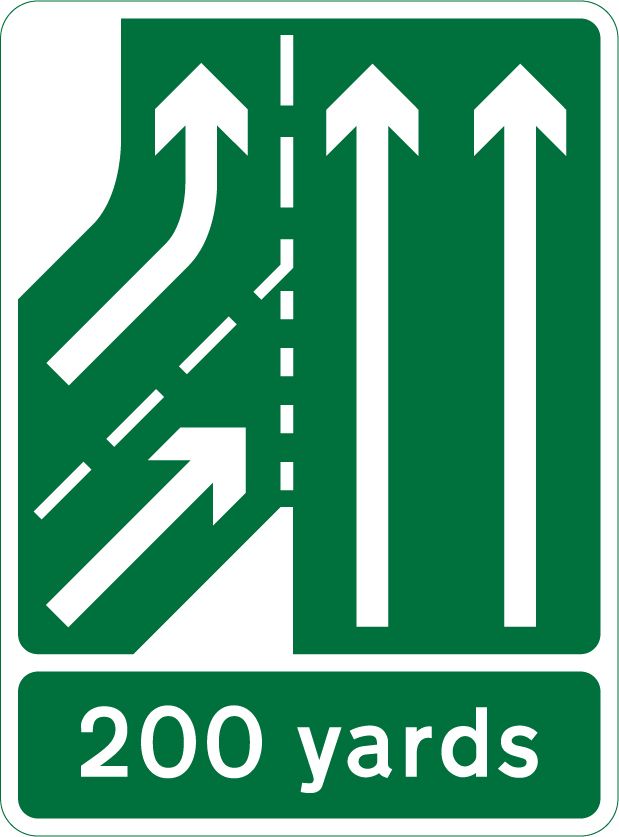
White rectangles are for smaller roads:
- Local directions
- Parking information
- Tourist attractions
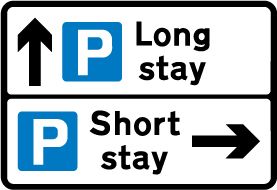
Brown rectangles are for places of interest:
- Tourist destinations
- Some hotels and pubs
- Recreational facilities
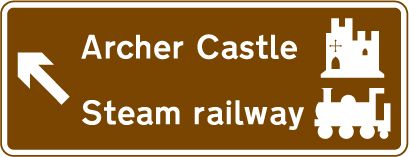
Special Shape Signs
A few UK road signs use unique shapes so you can recognise them instantly, even from a distance or in poor visibility.
The red octagon STOP sign is the most important. You must come to a complete stop at the line, even if you can see the road is clear.
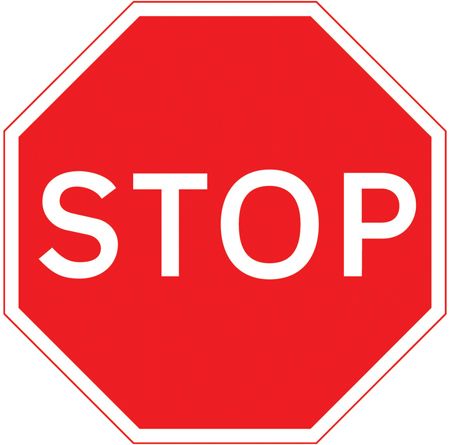
This is different from a Give Way sign (an inverted red triangle), where you can proceed if it's safe without stopping completely.
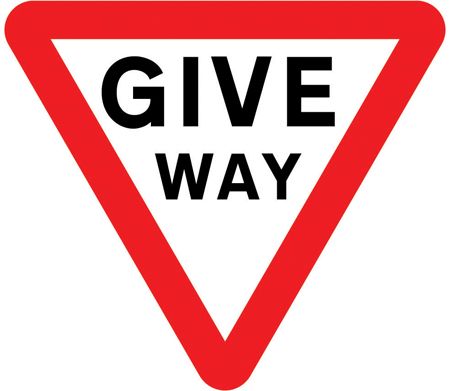
These distinctive shapes exist because they're critical for safety. Even if snow covers the words or the sign is damaged, drivers can still identify them by shape alone.
UK Road Signs and What They Mean: Essential Signs for New Drivers
Here are the road signs you'll encounter most often as a new driver in the UK.
Speed limit signs (red circle with black numbers) The number shows the maximum speed in miles per hour.
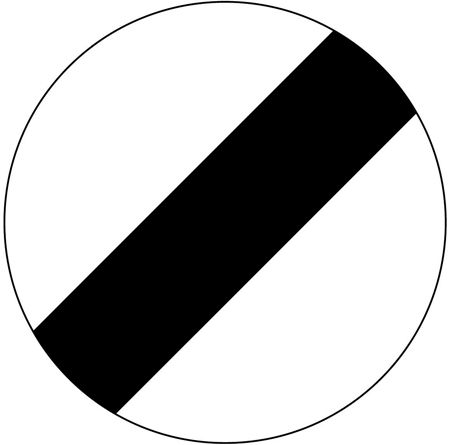
When you see a sign with a single black diagonal line through it, that's the national speed limit: 60 mph on single carriageways, 70 mph on dual carriageways and motorways.
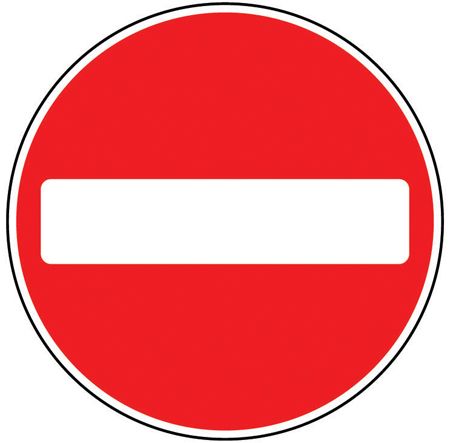
No entry sign (red circle with white horizontal bar) You cannot drive into this road. You'll often see these at the exit of one-way streets or where roads are closed to traffic.
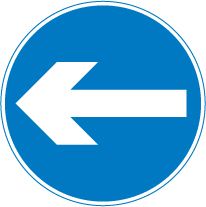
One-way street signs (blue circle with white arrow) Traffic only flows in the direction shown. Driving the wrong way down a one-way street is illegal and dangerous.
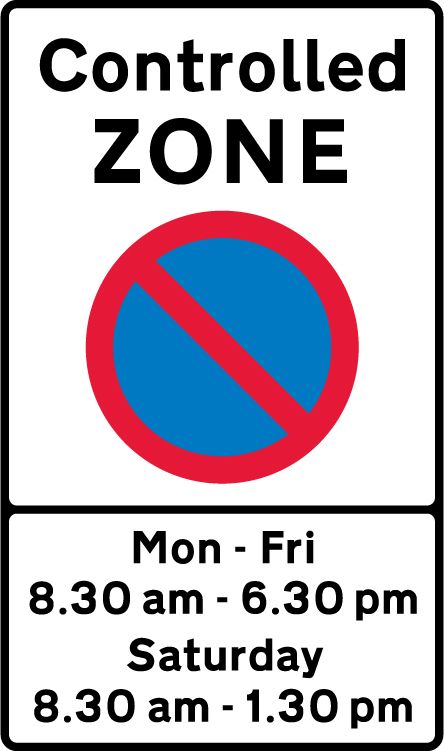
Parking restriction signs (red circle with red diagonal line or blue circle with red border) These show where and when you cannot park. Additional plates below the sign give specific times or conditions. Breaking parking rules can result in fines or your car being towed.
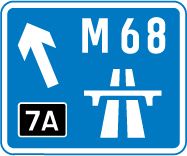
Motorway signs (blue backgrounds) White text on blue backgrounds indicates motorway routes and exits. You'll need to understand these well before driving in the UK with your international licence.
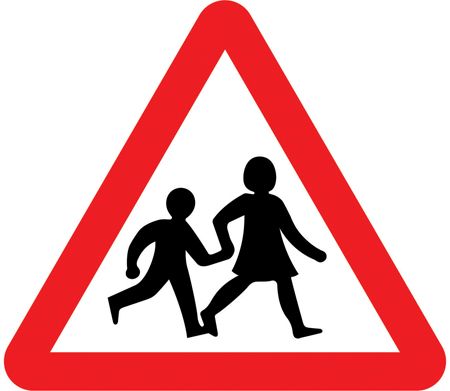
School zone warnings (triangle with children running) Slow down significantly in these areas. Children may be crossing unexpectedly.
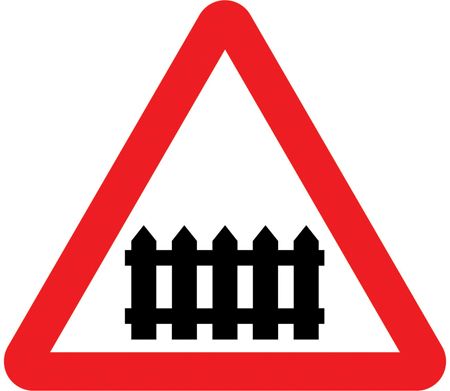
Level crossing signs (triangle with a gate symbol or red flashing lights) These warn of railway crossings ahead. Never ignore the flashing red lights or barriers, even if you can't see a train coming.
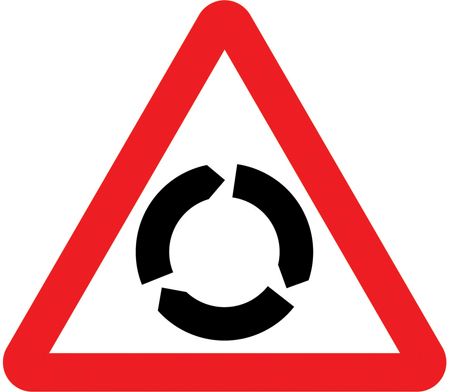
Roundabout signs (triangle with circular arrows) Prepare to give way to traffic from the right when entering a roundabout. If you're new to UK roundabouts, our downloadable guide to UK roundabouts explains exactly how to navigate them safely.
How UK Road Signs Differ from Other Countries
Road signs worldwide follow similar principles, but the UK has some unique differences you need to know.
Measurement systems UK road signs use a mix of measurements. Distances are in miles, not kilometres. But height and width restrictions might be shown in metres, feet, or even tonnes for weight limits. Speed limits are always in miles per hour.
If you're used to kilometres, here's a quick conversion:
- 30 mph = 48 km/h (residential areas)
- 60 mph = 97 km/h (single carriageways)
- 70 mph = 113 km/h (motorways and dual carriageways)
Speed limit signs This is crucial. A sign showing "40" means 40 miles per hour, not 40 kilometres per hour. Mixing these up could mean you're driving dangerously slow or well over the speed limit. Understanding speed limits is just one of the 10 surprising UK driving laws that newcomers often find confusing.
UK wildlife warnings The animals on UK warning signs reflect local wildlife. You'll see:
- Deer (common in rural areas and near forests)
- Sheep and cattle (especially in farming regions)
- Horses (near riding stables or in rural communities)
This is different from wildlife signs in other countries, which might show kangaroos, moose, or other animals.
Bilingual signs In Wales, nearly all road signs appear in both Welsh and English. The Welsh text is usually shown first, so "Araf" means "Slow" and you might see "Dim parcio / No parking" on restriction signs.
Some parts of Scotland display signs in English and Scottish Gaelic. This helps preserve local languages and culture.
Color and design variations UK signs follow European conventions generally, but with some differences. For example, motorway signs are blue in the UK (like most of Europe), but primary routes use green rather than the yellow or white you might see elsewhere.
Preparing for Your UK Theory Test
You'll need to recognize and understand road signs to pass your theory test. Here's how to prepare.
The official Highway Code is your main study resource. It contains every road sign you might encounter, organized by category. You can download the traffic signs section of the Highway Code for free.
The government also publishes "Know Your Traffic Signs," a comprehensive guide that explains road signs and what they mean in the UK. This official guide is particularly helpful for the theory test.
When you're ready to start preparing for your UK driving test, focus on:
- The 50-60 most common signs you'll see daily
- All regulatory signs (circles) since these involve legal requirements
- Warning signs (triangles) for your local area's specific hazards
- Motorway signs if you'll be driving on motorways
Practice makes perfect. Use theory test apps that show you road signs and ask what they mean. The more you practice, the more automatic your recognition becomes.
Once you're comfortable with road signs, you might want to review other essential topics like understanding mobile phone laws when driving in the UK.
What Marshmallow Offers UK Newcomers
Understanding UK road signs is just one part of getting a UK driving licence. Once you're ready to drive, you'll need car insurance that recognizes your experience.
At Marshmallow, we specialise in car insurance for people who are new to the UK. We understand that moving to a new country means learning new systems, from road signs to insurance requirements.
We offer:
- Recognition of your claim-free driving from other countries
- Competitive prices that reflect your actual driving experience
- Support from a team that understands the challenges of being new to the UK
- Fully comprehensive cover with optional extras like Breakdown Cover and Europe Roaming Pass
Whether you're driving in the UK as an expat for the first time or you've already settled in, we're here to make car insurance straightforward.
Get a quote today to see how much you could save.
Frequently Asked Questions
How many UK road signs are there in total? There are approximately 140 official UK road signs, though regional variations and combinations mean you might encounter more. You don't need to memorize all of them. Most drivers recognize 50-60 common signs that appear regularly.
What do red circle signs mean in the UK? Red circles give instructions about what you must not do. This includes speed limits, no entry signs, and prohibitions like no overtaking or no stopping. Blue circles tell you what you must do, like turn left or maintain a minimum speed.
Are UK road signs the same as European road signs? UK road signs follow similar principles to European signs, using the same basic shapes and colors. But there are differences, particularly in measurements (miles instead of kilometres), some design details, and regional additions like bilingual signs in Wales.
Do I need to memorize all UK road signs for my theory test? No, but you need to recognize and understand the most common ones. Focus on all regulatory signs (circles), major warning signs (triangles), and basic informational signs (rectangles). The theory test will include questions about road signs and their meanings.
Where can I find a complete list of UK road signs? The official Highway Code includes all UK road signs. You can also download the government's "Know Your Traffic Signs" guide, which provides comprehensive explanations of what each sign means and how drivers should respond to them.